
Energy Markets
LNG Market Dynamics in West Africa:
Growth Opportunities and Challenges
December 2024 · 9 min read
By Calmwaters Maritime Team · Published December 2024
Nigeria occupies a unique position in the global LNG market as Africa's largest producer and one of the world's top ten LNG exporters. The Nigeria LNG facility at Bonny Island, with six trains and annual export capacity exceeding 22 million tonnes, has been the backbone of Nigeria's LNG trade since 1999. But the market is evolving: post-COVID demand recovery, European energy security imperatives, and new West African gas discoveries are reshaping trade flows and creating new chartering dynamics.
Nigeria's LNG Position: Strengths and Constraints
NLNG's long-term supply agreements, predominantly with European utilities and trading houses, have historically provided stable offtake for Nigerian LNG at competitive delivered prices. The post-2022 European energy crisis created windfall conditions as Asian buyers competed for Atlantic basin supply, briefly making Nigerian LNG the most sought-after flexible supply in the market.
The structural constraint is upstream: gas feedstock supply to Bonny Island has been intermittently disrupted by pipeline security issues and field maintenance, limiting NLNG's ability to reliably export at nameplate capacity. Train 7, once operational, will increase export capacity by approximately 35%, but its completion timeline has been repeatedly extended.
LNG Carrier Demand: Bonny Island Traffic
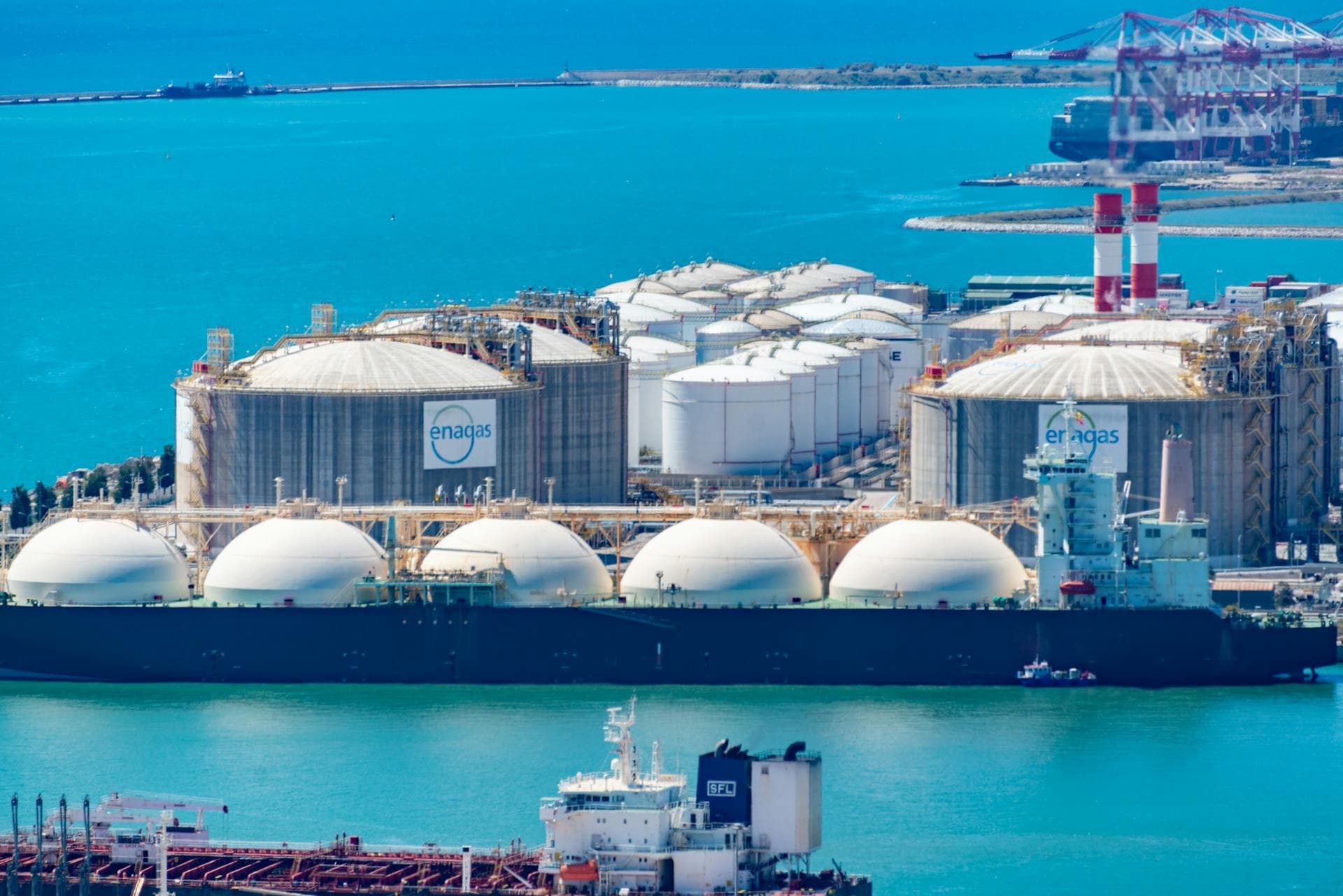
Bonny Island remains one of West Africa's busiest LNG terminal, with regular loadings by Q-Flex and conventional LNG carriers serving European, Asian, and North American destinations generate consistent vessel traffic. For vessel owners and charterers, the key chartering parameters are:
LNG Chartering at Bonny Island
- •Vessel size: predominantly Q-Flex (210,000 m³) and conventional LNG carriers (140,000–175,000 m³)
- •Berth limitations: Bonny LNG jetties can accommodate up to Q-Max in some configurations
- •Loading frequency: multiple cargoes per month across NLNG's 22 mtpa export schedule
- •Destination mix: Europe (40%), Asia (35%), Latin America and North America (25%)
- •Freight benchmarks: Bonny to Rotterdam typically £0.25–0.45/mmbtu depending on vessel size and market
Intra-African LNG and LPG Trade Growth
Beyond large-scale LNG exports, a growing intra-African market for smaller LNG and LPG cargoes is emerging, driven by West African governments' cooking gas programmes and Nigeria's Decade of Gas initiative. Coastal distribution of LPG using pressurised and semi-refrigerated carriers from Bonny and Lagos to ports across the Gulf of Guinea represents a fast-growing niche.
This intra-regional trade typically uses smaller vessels (500–15,000 m³) on short-voyage patterns, very different from the deep-sea LNG carrier market. Vessel availability for these trades is constrained by the limited number of operators with West African experience and the complexity of regulatory compliance across multiple coastal states.
Outlook to 2030
Senegal and Mauritania's offshore gas discoveries, with the Greater Tortue Ahmeyim FLNG project moving toward first export, will add a second significant West African LNG supply source within the next few years. This geographic diversification of supply within the region creates new trading patterns and increases overall LNG vessel demand in West African waters.
LPG & Gas Carrier Charter
Charter LPG and Gas Carriers in West Africa
We charter pressurised, semi-refrigerated, and fully refrigerated gas carriers across West African routes.